
7 Best Paper for Gelli Printing on a Budget
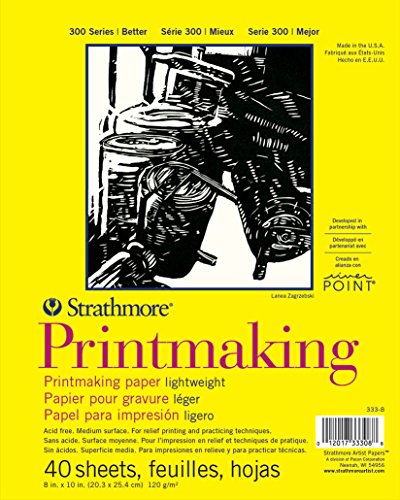
Strathmore 300 Series Printmaking Paper Pad is the top pick for the best paper for gelli printing because its smooth, absorbent surface accepts layered acrylic paint cleanly. The paper gives prints a crisp look while remaining flexible enough for collage, cards, journal pages, and framed artwork. It also comes from a familiar art-paper line, making it a practical choice for beginners and regular printmakers.
This guide is for anyone choosing paper for gel plate projects, from first-time crafters to artists building a printmaking supply shelf. The most important factors are paper size and surface texture, followed by weight, absorbency, and resistance to buckling under wet paint. The 7 picks below are ranked with clear reasons and honest drawbacks for each, so you can match your paper to the size, finish, and detail level of your projects.
Quick Comparison
| # | Product | Best For | Price | |
|---|---|---|---|---|
| 1 | Strathmore 300 Series Printmaking Paper Pad | Relief print beginners | $9.46 | View → |
| 2 | UCreate Printmaking Paper | Classroom printmaking projects | $10.09 | View → |
| 3 | Gelelf A4 Laser Print Paper | Laser printer image transfers | $16.98 | View → |
| 4 | Reelartisy Artist Teabag Paper Roll | Large-format teabag art | $22.99 | View → |
| 5 | Reelartisy Artist Teabag Paper | Individual teabag paper sheets | $7.90 | View → |
| 6 | Artist Teabag Paper Mixed Media Tissue | Layered mixed-media collage | $19.99 | View → |
| 7 | Gel Press 10802-10810-2PK Gelli Printing Plates | Reusable gel plate printing | $39.99 | View → |
7 best paper for gelli printing: Top Picks
This list is ranked from seventh place, counting down to the top pick for gelli printing projects.
7. Gel Press 10802-10810-2PK Gelli Printing Plates

Best for: Card makers and mixed-media artists
The Gel Press Gelli Printing Plates 2PK includes two reusable plates: an 8 x 10-inch plate and a 5 x 7-inch plate. Both are 3/8 inch thick, giving them enough firmness for hand printing or use with a brayer. They work with acrylic paint, paper, card stock, fabric, stencils, leaves, yarn, combs, and other texture tools. At $39.99, the set offers two working sizes for cards, journals, scrapbooks, collages, and small home décor projects.
The main advantage is flexibility. You can build layered prints by changing paint colors, textures, and paper placement without needing a traditional press. The plates can be cleaned with mild soap and water, baby wipes, or baby oil and a paper towel, then returned to their original packaging. They are also hypoallergenic, non-toxic, latex-free, vegan, and cruelty-free. The set is made in the USA. Keep in mind that paint, paper, brayers, and texture tools are sold separately, so the listed price covers the plates only.
Pros
- Two sizes handle both small cards and larger 8 x 10-inch prints.
- Reusable gel material supports repeated projects and layered designs.
- Cleans with common supplies and stores in the original packaging.
Cons
- The maximum print area is limited to 8 x 10 inches.
- Paint, paper, and printing tools are not included.
6. Artist Teabag Paper Mixed Media Tissue

Best for: Layered collage and cyanotype artists
This 12-inch by 360-inch roll gives mixed-media artists a long supply of translucent tissue paper. The length equals about 40 standard 9-by-12-inch sheets, so it creates less offcut waste than buying individual pieces. At 12gsm, the paper is extremely light and nearly invisible on its own. That thin surface lets colors, printed images, and textures show through when layered.
The abaca fiber gives the tissue better wet strength than ordinary tissue paper. It can handle moisture from cyanotype, gelli plate printing, eco-printing, and some paint-based techniques without immediately falling apart. The acid-free material suits artwork intended for storage, since it should resist yellowing over time. You can also print on it with an inkjet or laser printer, then use it with collage, alcohol inks, acrylic inks, gouache, pan pastels, or encaustic work. At $19.99, the roll offers a practical amount of material, but its very thin surface demands careful handling.
Pros
- The 30-foot roll provides roughly 40 sheet-equivalents for larger projects.
- Wet-strength abaca fiber supports damp techniques such as cyanotype and gelli printing.
- Acid-free, translucent paper works well for archival layered artwork.
Cons
- At only 12gsm, it can wrinkle, fold, or tear during handling.
- A continuous roll requires measuring and cutting before use, unlike pre-sized sheets.
5. Reelartisy Artist Teabag Paper

Best for: Small mixed-media and collage projects
Reelartisy’s artist teabag paper comes in a 5″ × 7″ size with 50 sheets per pack. At $7.90, it offers a low-cost way to build a paper supply for gel plate prints, collage, watercolor, alcohol ink, and other craft projects. Each sheet weighs 40gsm, so it feels much lighter than standard watercolor paper. The paper uses virgin wood pulp and is designed for use with wet and dry media.
The main draw is its wet-strength design. According to the product details, the sheets remain intact and hold their shape when saturated with water, ink, or acrylic paint. That could make them useful for layered prints and pasted collage work. Each side also has a different surface. One side is smoother with a slight sheen, while the other has a crinkled texture and fine laid pattern. Buyers can choose the surface that best suits a print or painting. The line also includes 8″ × 10″ sheets and 100-sheet packs, but this listing is the smaller 50-sheet option.
Pros
- Wet-strength construction is suited to water, ink, and acrylic applications.
- Two surface textures give prints and collages different finishes.
- 50 sheets at $7.90 keeps the entry cost modest.
Cons
- At 40gsm, the paper is too thin for projects needing rigid support.
- The included 5″ × 7″ sheets limit larger artwork unless you join or layer them.
4. Reelartisy Artist Teabag Paper Roll

Best for: Mixed-media artists needing long paper rolls
Reelartisy’s Artist Teabag Paper comes as one 13.8-inch by 984-inch roll, or about 35 cm by 25 m. The paper uses natural mulberry bark fibers, giving it a light, semi-transparent surface with good absorbency and resistance to folding. At $22.99, the long roll suits studios, classrooms, and crafters who need material for repeated projects rather than small sheets.
The standout feature is its wet strength. It can handle watercolor washes, acrylic layers, collage adhesive, and similar techniques with less risk of tearing than ordinary lightweight paper. One side is smooth for Gelli plate prints, monotypes, and fine transfers. The other has a natural texture for rubbing, embossing, or crumpling. Its translucency also works well for cyanotypes, layered collage, lampshades, origami, and decorative wrapping. Light handling wrinkles can be flattened with a low-temperature iron. The roll ships in a reusable cardboard tube.
Pros
- Long 25-meter roll can be cut to many project sizes.
- Mulberry fibers provide useful wet strength for mixed-media work.
- Dual surfaces support both crisp printing and textured effects.
Cons
- The 13.8-inch width may feel narrow for large paintings or broad collage panels.
- Semi-transparency can reveal backing layers, which may not suit every finished piece.
3. Gelelf A4 Laser Print Paper

Best for: Gel plate transfer practice and series
This A4 paper pack contains 100 sheets of 128gsm stock made for color laser printers. It is not intended for inkjet machines, so printer compatibility matters before buying. The 100-sheet count suits repeated image transfers, classroom practice, or multi-print projects, while the $16.98 price keeps the upfront cost predictable.
Its smooth, dense surface is designed to hold detailed laser prints and release them onto gel plates. The paper has enough flexibility for handling, but its 128gsm weight should provide more body than ordinary copy paper. It can be printed on both sides, which may help reduce waste during planning. GELELF describes the surface as formulated for paint pickup and clean transfer release with its gel plates. That feature may appeal most to artists already using GELELF materials, since results can vary with paint, plate condition, and printer settings. The 100% wood pulp construction gives it a familiar paper feel, though buyers seeking recycled content should check the packaging for that detail.
Pros
- 100 A4 sheets support practice and larger print series.
- 128gsm stock balances flexibility with better tear resistance than thin copy paper.
- Double-sided printing provides more usable surface per sheet.
Cons
- Works with laser printers, not inkjet models.
- Transfer results may vary with paint type, gel plate condition, and printer settings.
2. UCreate Printmaking Paper

Best for: Classroom block-printing practice
UCreate Printmaking Paper gives beginners a practical surface for block prints, relief prints, and similar projects. Each sheet measures 9 by 12 inches, a manageable size for classroom tables, sketching simple designs, and making small-to-medium prints. The 100-sheet pack also gives students plenty of room for practice, test prints, and mistakes without requiring frequent restocking. At $10.09, the pack costs about 10 cents per sheet.
The heavyweight, acid-free paper is the main draw. It should feel sturdier than ordinary copy paper and is better suited to handling ink during basic printmaking projects. The white color provides a clean background for dark or brightly colored inks. This paper targets learning and repeated practice rather than large artwork or specialized archival printing. Its fixed 9-by-12-inch format works well for many school assignments, but artists who need oversized prints will need another option. The pack is also limited to white sheets, so colored paper effects are not available without adding another paper type.
Pros
- 100 sheets support repeated classroom practice and test prints.
- Acid-free, heavyweight paper is better suited to block-printing projects than standard copy paper.
- 9-by-12-inch sheets fit common beginner printmaking assignments and workspaces.
Cons
- The 9-by-12-inch size may feel too small for large block designs.
- White paper only limits color-based paper effects and presentation choices.
1. Strathmore 300 Series Printmaking Paper Pad
Best for: Students practicing small relief prints
The Strathmore 300 Series Printmaking Paper Pad provides 40 sheets for block printing, linocut, screen printing, and proofing. Each sheet measures 8 by 10 inches, giving you a compact surface for studies, test prints, and smaller finished pieces. The paper has a natural color rather than a bright white finish, and its 120 gsm weight keeps the pad lightweight and easy to store. At $9.46, it offers a practical supply for regular practice.
Its medium texture gives the surface some tooth without feeling rough. That texture can help hold ink, while the paper’s absorbent surface supports relief and screen-printing work. The paper also has enough durability for repeated practice sessions, though it is still lighter than many heavier printmaking sheets. A glue-bound edge keeps the 40-page pad together, so individual sheets remain organized until you remove them. This format suits students, adult artists, and anyone building a collection of proofs before committing to more expensive paper.
Pros
- 40 sheets provide plenty of room for practice, proofs, and small prints.
- The 8 by 10-inch size fits compact workspaces and storage folders.
- Medium texture and absorbency suit relief printing and screen printing.
Cons
- The natural-colored surface may change how light or bright inks appear.
- At 120 gsm, it may not suit large prints or techniques needing heavier paper.
Buying Guide
Absorbency is the most important factor when choosing paper for gelli printing. It helps acrylic paint transfer cleanly while reducing muddy layers and long drying times.
- Weight: Choose 90–140 gsm, or about 24–36 lb, for general prints. Paper below 75 gsm can wrinkle, while paper above 200 gsm may need extra pressure.
- Surface: Select smooth, lightly textured paper with a flat finish. Printer paper, mixed-media paper, and smooth watercolor sheets usually produce sharper patterns than rough watercolor paper.
- Size: Pick sheets at least 8.5 x 11 inches for standard gelli plates. A 9 x 12-inch sheet works well with 8 x 10-inch plates and leaves room for trimming.
- Fiber and finish: Look for acid-free paper made from cotton or cellulose. Avoid waxy, glossy, or heavily coated sheets, which can resist paint and cause patchy transfers.
- Pack value: Start with a 25–50 sheet pack priced around $8–$20. This gives enough paper for testing paint amounts, layering, and plate pressure before buying larger quantities.
If you cannot have everything, prioritize absorbency over weight, texture, or pack size.
Frequently Asked Questions
How do I choose the best paper for gelli printing?
Choose a smooth, absorbent paper around 90 to 140 gsm for most gelli prints. This range accepts paint without soaking too quickly, yet it stays flexible for layering and pulling. Look for mixed-media, printmaking, or high-quality drawing paper, and avoid heavily textured sheets when you want crisp stamped details.
What paper weight is best for gelli printing?
Paper between 90 and 140 gsm is the best all-purpose weight for gelli printing. Use 120 gsm mixed-media paper for a useful middle ground: it usually handles several thin paint layers without tearing, while remaining easy to cut, fold, or glue into journals and collage projects.
Can I use copy paper for gelli printing?
Yes, you can use copy paper for gelli printing, especially for quick prints, practice layers, and collage pieces. Standard 75 to 80 gsm sheets are inexpensive and accept thin paint layers, but they can wrinkle, tear, or buckle sooner than 120 gsm paper. Use light pressure and let each print dry flat.
Are watercolor papers good for gelli printing?
Yes, watercolor paper can be good for gelli printing, but smooth hot-pressed sheets work better than rough cold-pressed ones. Choose paper around 190 to 300 gsm when you want a sturdy surface for wet layers. Its heavier body costs more and may resist folding for journals or small collage work.
Conclusion
Strathmore 300 Series Printmaking Paper Pad is the top recommendation for artists who want a dependable, versatile surface for gel plate printing, especially those building a mixed-media supply kit without paying premium prices. If your priority is maximum absorbency for layered monoprints, choose a softer, more porous printmaking sheet instead, since it can handle heavier paint coverage and create different transfer effects. Before buying, double-check the sheet size against your gelli plate, confirm compatibility with your acrylic or water-based paints, review the quantity in each pad, and compare the current price across retailers, because sizes, counts, and discounts can change. The best choice should match your technique, materials, and budget.